

After Endometriosis Surgery: What Happens Next?
Surgery is not the end of endometriosis care. What happens afterward matters: recovery, understanding exactly what was found and treated, reviewing pathology, protecting fertility when relevant, reducing recurrence risk and having a clear plan if symptoms persist or return.
1. Recovery begins before you leave the hospital
Before discharge, understand what was done, incision care, medicines, activity restrictions and follow-up. Save your team's daytime and out-of-hours contact details. Recovery varies with the operation: limited surgery and complex bowel, bladder or ureter surgery can have different timelines. Follow your discharge plan, but do not delay emergency care for severe or rapidly worsening symptoms.
2. The first days and weeks
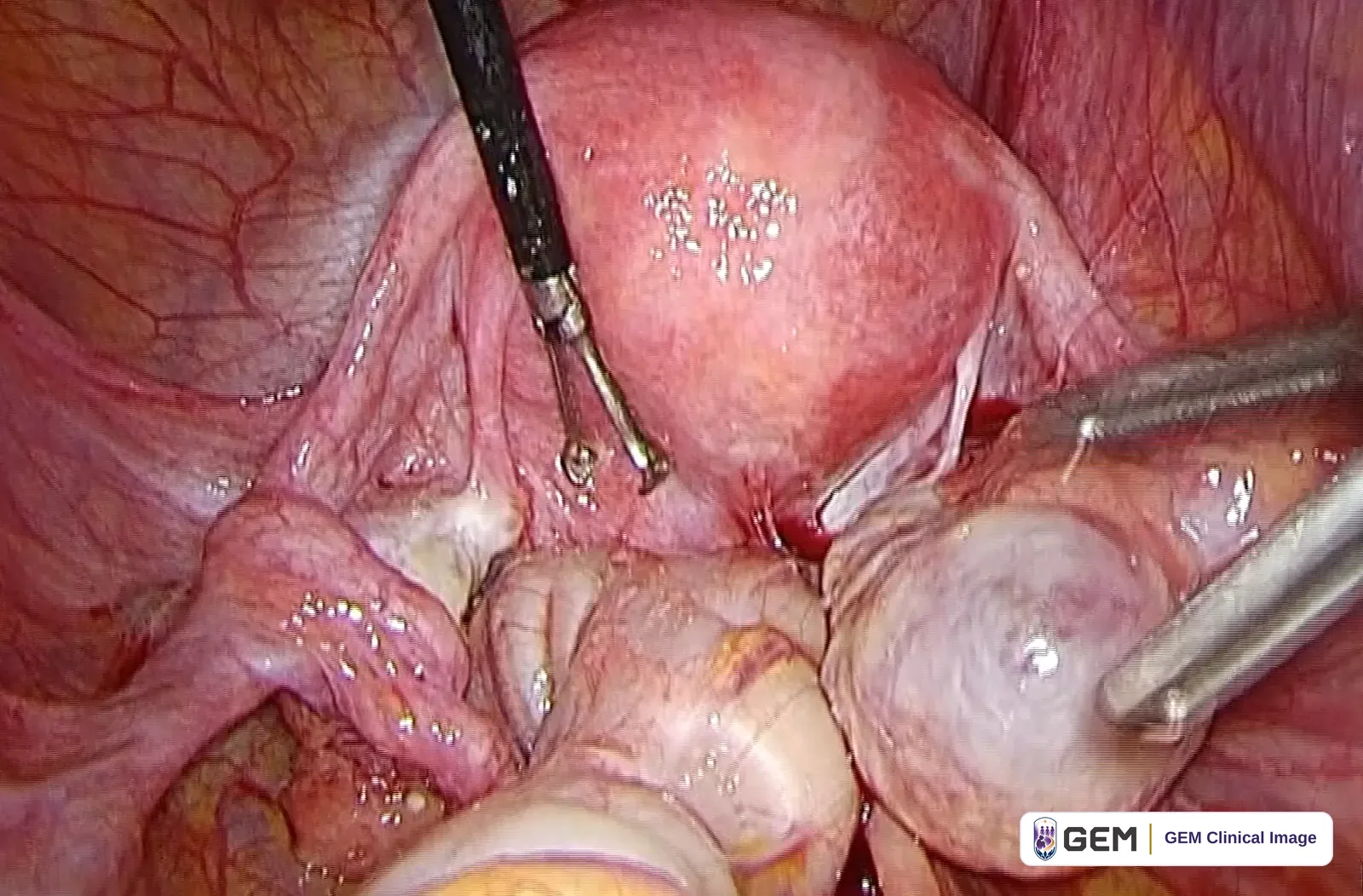
Some pain, bloating, tiredness and light spotting can occur after surgery. Improvement is usually gradual. Follow your team's instructions about walking, lifting, driving, work, exercise, bathing and sex. Severe or worsening symptoms need assessment; see the warning box below. Temporary symptoms should not be assumed harmless.
3. Your postoperative visit matters
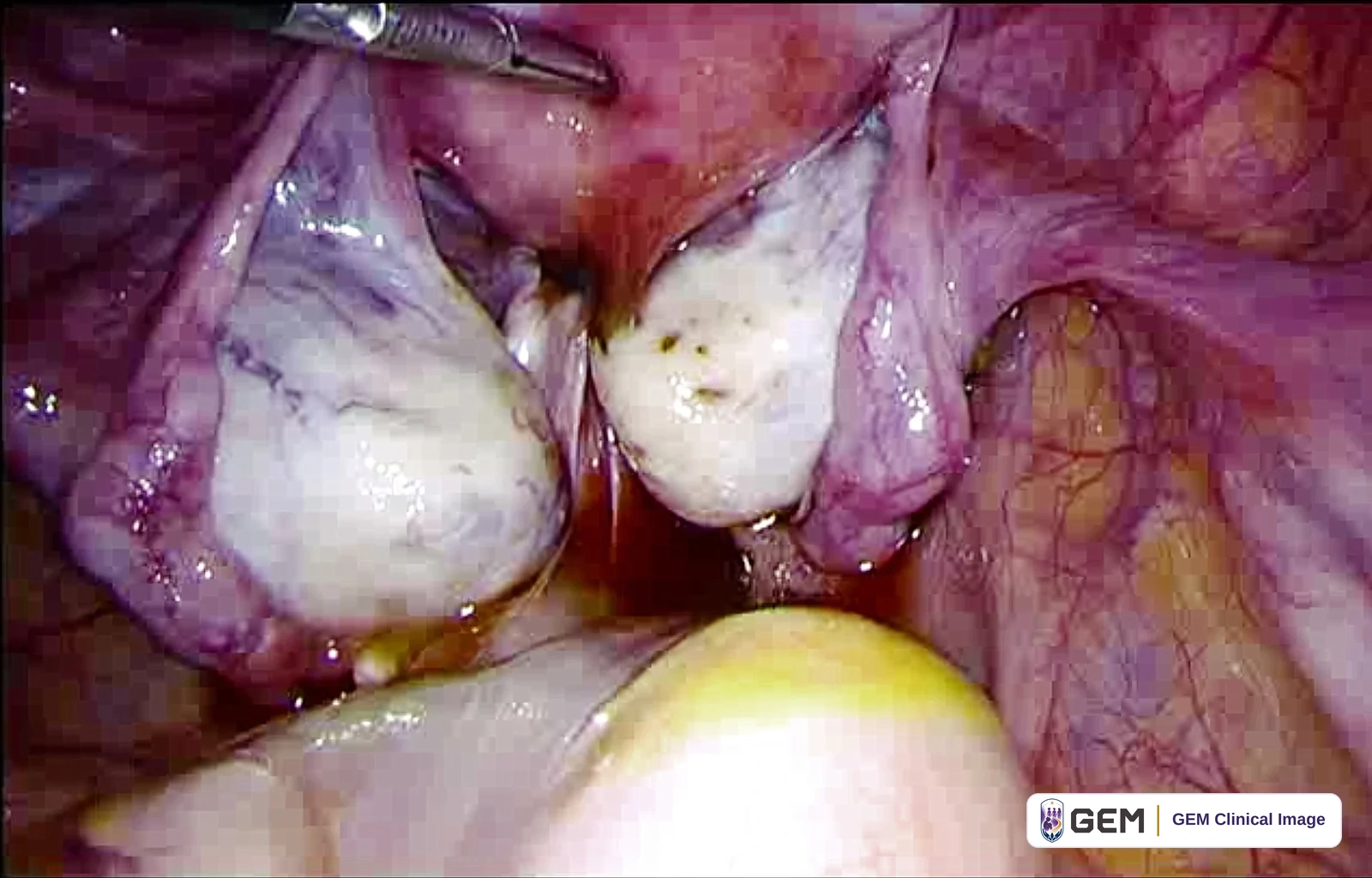
The follow-up visit is not simply an incision check. Review what was found, where the disease was located, what was treated, whether any disease remained, complications, and the plan going forward. This is also the time to discuss persistent symptoms, fertility plans and whether additional treatment is recommended.
4. Review the pathology
Ask for and review the pathology report from tissue removed during surgery. Pathology can confirm endometriosis and identify other findings, but it should be interpreted together with the operative findings. A negative specimen does not automatically prove that endometriosis was absent elsewhere.
5. Keep your surgical records
Keep your operative report, pathology, important imaging and photographs. GEM also supports preserving the complete unedited operative video whenever feasible, with informed consent and appropriate privacy safeguards. This is a GEM quality-of-care position, not a universal legal requirement. These records can help future care if symptoms persist, fertility treatment is needed or another operation is considered.
6. Hormonal treatment after surgery
If pregnancy is not immediately desired, postoperative hormonal treatment may be recommended to help control symptoms and reduce recurrence. Options can include combined hormonal contraceptives or progestin-based treatment. The choice should reflect your age, symptoms, fertility plans, medical history, side effects and preferences.
7. When pregnancy is desired
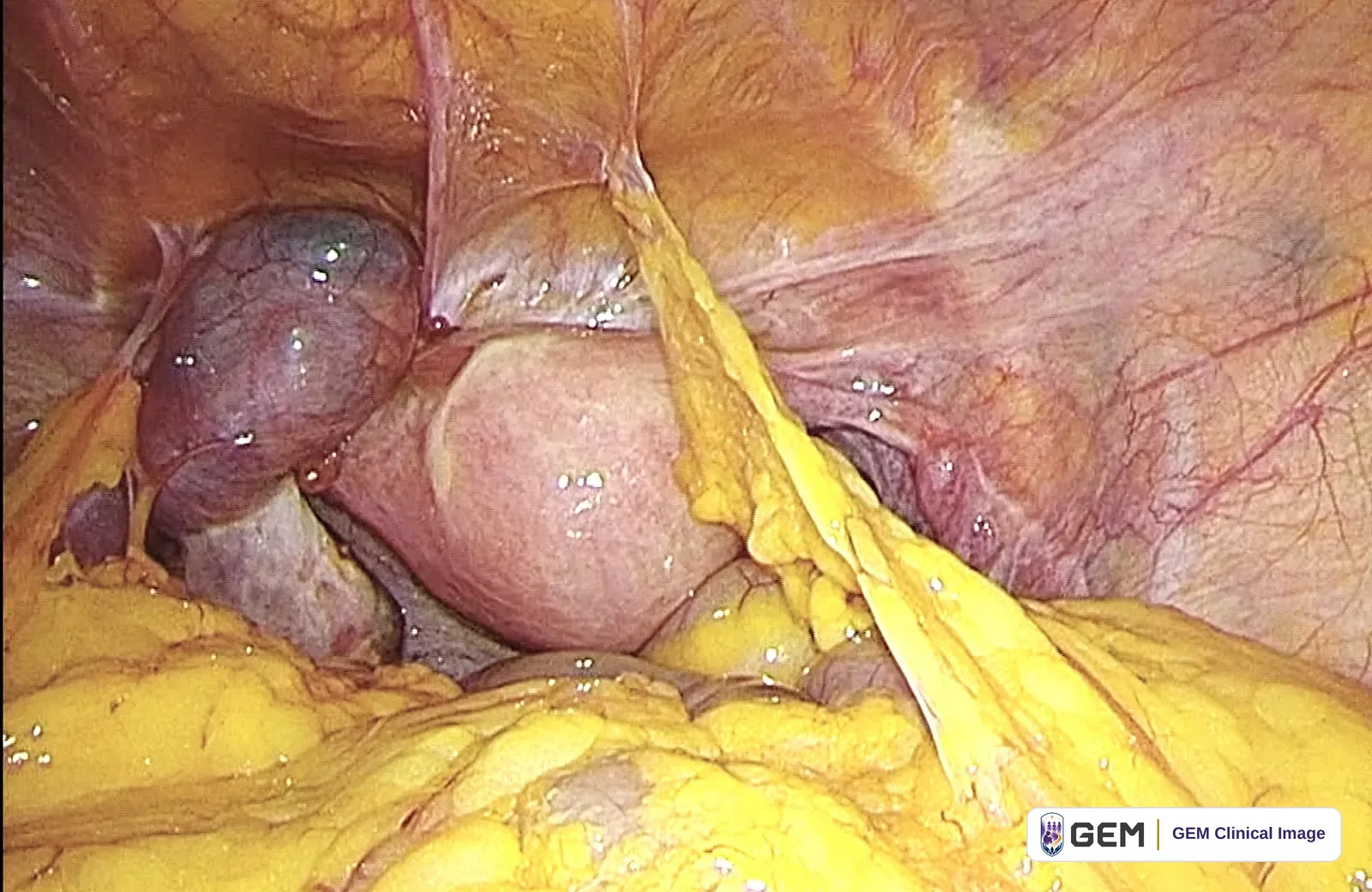
Discuss when to try to conceive and whether fertility evaluation is appropriate. Age, ovarian reserve, tubal and sperm factors, disease and previous surgery all matter. Hormonal suppression for endometriosis should not be prescribed solely to improve spontaneous pregnancy rates after surgery. Hormones used within fertility-treatment protocols are a different situation; discuss the plan with your clinician.
8. Persistent symptoms are not the same as recurrence
Persistent pain continues beyond the expected recovery period. Pain returning after improvement is recurrent pain, but does not by itself prove disease recurrence. Residual or recurrent endometriosis, pelvic-floor dysfunction, adenomyosis, bladder or bowel disorders and nerve-related pain may contribute. Reassessment should come before assuming repeat surgery is needed. New or worsening pain during recovery still needs prompt assessment.
9. Why can endometriosis recur?
Endometriosis can recur even after carefully performed surgery. Remaining or microscopic disease and later disease activity may contribute. Postoperative hormonal treatment can reduce symptoms and recurrence risk in some patients not seeking immediate pregnancy. It can suppress disease activity, but does not surgically excise lesions and is not a guaranteed cure. Symptoms or lesions may persist or return.
10. When is repeat surgery considered?
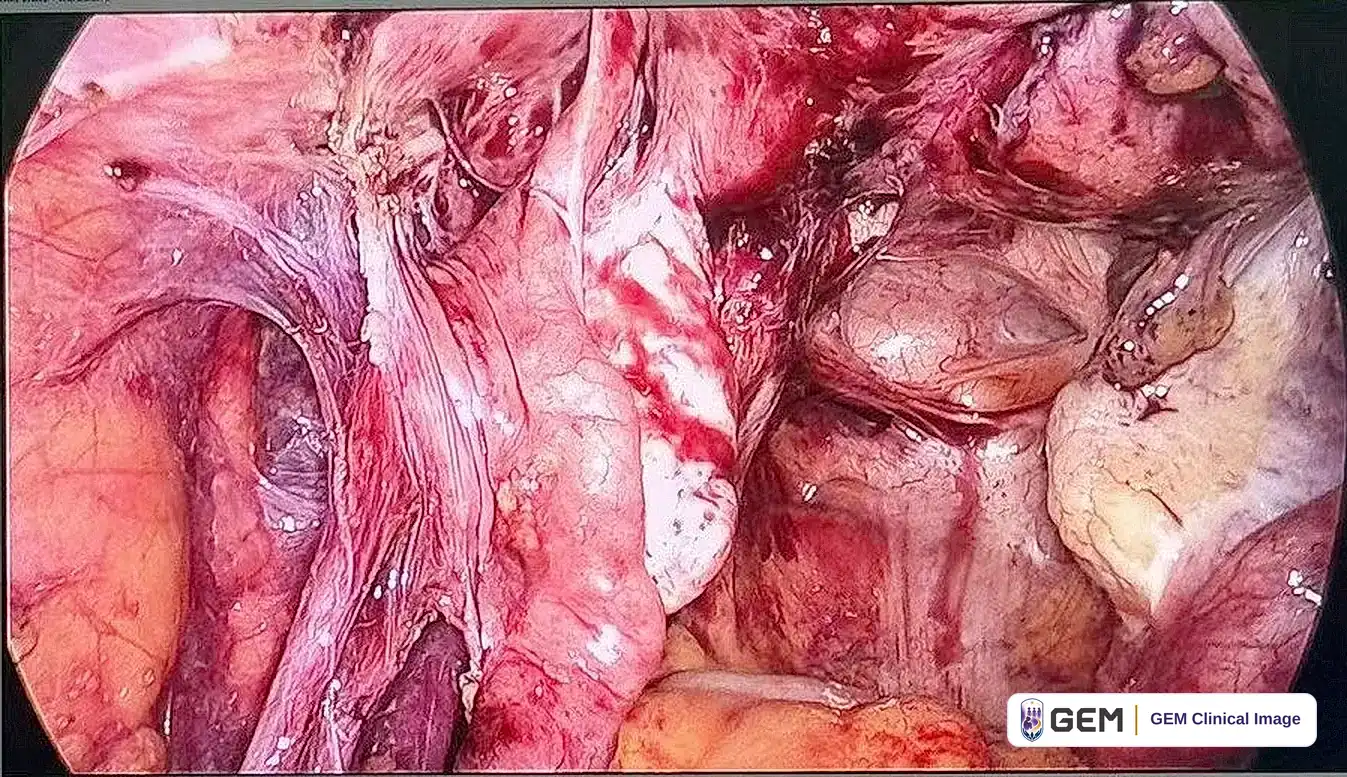
Repeat surgery should not be automatic. It may be considered for significant recurrent or persistent disease, an endometrioma, organ involvement, fertility-related circumstances or symptoms that remain unacceptable despite appropriate treatment. Previous operative records and video can help an experienced surgeon understand altered anatomy and plan more safely.
11. Returning to everyday life
Recovery is not only physical. Returning to work, school, exercise, intimacy and normal routines may take time, particularly after extensive surgery. Increase activity according to your surgeon's guidance and how your body responds. If pain, fatigue or emotional strain continues to interfere with daily life, bring it into the follow-up plan.
12. Build the long-term plan
Before postoperative care ends, know the next step. Ask: Do I need hormonal suppression? When should I try for pregnancy? Do I need fertility evaluation? Is repeat imaging planned? What symptoms should prompt reassessment? Who will provide long-term follow-up? Successful surgery should lead into a clear continuity-of-care plan.
References & evidence
Postoperative care depends on the operation, symptoms and fertility plans. Hormonal treatment may improve pain and reduce recurrence in selected patients not seeking immediate pregnancy. Persistent pain needs reassessment before repeat surgery.
Evidence & follow-up
After Endometriosis Surgery: What Happens Next?
Version 1.1 · Reviewed 13 September 2026
Recovery and warning signs
Recovery depends on the operation and the individual. Follow the surgical team’s specific instructions. Fever, worsening severe pain, inability to drink, difficulty passing urine, heavy bleeding or calf symptoms need urgent assessment. Severe or rapidly worsening symptoms should not wait for a routine appointment.
Postoperative hormonal treatment
For patients not seeking immediate pregnancy, hormonal treatment may help pain and reduce recurrence in selected settings. ESHRE recommends offering longer-term hormone treatment after ovarian endometrioma surgery when conception is not immediately planned. Choice and duration should reflect symptoms, medical history, side effects and preferences. Treatment does not guarantee cure.
When pregnancy is desired
Hormonal suppression for endometriosis should not be prescribed solely to improve spontaneous pregnancy rates after surgery. If trying to conceive now, discuss when to stop or avoid suppressive treatment with the clinician. Medicines used within assisted-reproduction protocols are a different situation. Age, ovarian reserve, tubes, sperm factors, disease findings and earlier surgery inform the plan.
Persistent pain and repeat surgery
Pain continuing beyond expected recovery, or returning after improvement, deserves reassessment. Residual or recurrent disease, adenomyosis, pelvic-floor dysfunction, bowel or bladder disorders and nerve-related pain may contribute. Repeat surgery should be individualized rather than automatic. Medical suppression can reduce disease activity and symptoms without surgically excising lesions.
GEM surgical-documentation position
Keep the operative report, pathology and relevant imaging and photographs. GEM additionally supports preserving the complete unedited operative video whenever feasible, with informed consent and appropriate privacy safeguards. This is a GEM quality-of-care position, not a universal guideline or legal requirement.
Important medical information
Discuss diagnosis and treatment with your healthcare professional. Follow operation-specific instructions, but seek emergency care immediately for severe or rapidly worsening symptoms.
Version 1.1 · Reviewed 13 September 2026. Proposed next review: September 2027, or sooner if relevant guidance changes.
Full references
The numbers in the revised guide correspond to the sources below. Guideline recommendations and review findings do not guarantee an individual outcome.
- [1] ESHRE. Endometriosis guideline. 2022.
Supports sections 3-4 and 6-10: pathology, postoperative pain treatment, fertility and recurrence. See recommendations 36, 39-41 and 65-67.
Freely available — https://www.eshre.eu/-/media/sitecore-files/Guidelines/Endometriosis/ESHRE-GUIDELINE-ENDOMETRIOSIS-2022_1.pdf - [2] Zakhari A, Delpero E, McKeown S, et al. Endometriosis recurrence following post-operative hormonal suppression: a systematic review and meta-analysis. Hum Reprod Update. 2021;27(1):96-107. doi:10.1093/humupd/dmaa033. PMID 33020832.
Supports postoperative suppression and recurrence discussion.
Freely available — https://pubmed.ncbi.nlm.nih.gov/33020832/ - [3] University College London Hospitals. Preparing for gynaecology surgery and your recovery. Updated 27 August 2026.
Supports recovery instructions and urgent assessment for postoperative warning signs. Relevant patient-information sections inspected.
Freely available — https://www.uclh.nhs.uk/patients-and-visitors/patient-information-pages/preparing-gynaecology-surgery-and-your-recovery - [4] NHS. Laparoscopy (keyhole surgery). Reviewed 20 December 2023.
Supports postoperative warning signs and distinction between urgent assessment and emergency action. Patient page inspected.
Freely available — https://www.nhs.uk/tests-and-treatments/laparoscopy/ - [5] WHO. Endometriosis. Fact sheet, 15 October 2025.
Supports chronicity, variable treatment response, recurrence and multiple contributors to ongoing pain. Fact sheet inspected.
Freely available — https://www.who.int/news-room/fact-sheets/detail/endometriosis - [6] Keckstein J, Becker CM, Canis M, et al. Recommendations for the surgical treatment of endometriosis. Part 2: deep endometriosis. Hum Reprod Open. 2020;2020(1):hoaa002. doi:10.1093/hropen/hoaa002.
Supports individualized complex-surgery planning and postoperative care. Relevant full-text sections inspected; technical consensus.
Freely available — https://europepmc.org/articles/PMC7013143 - [7] ESHRE. Information for women with endometriosis: patient guideline. 2022.
Additional patient reading on symptoms, treatment and follow-up; from the same guideline family as reference 1.
Freely available — https://www.eshre.eu/-/media/sitecore-files/Guidelines/Endometriosis/ESHRE-ENDOMETRIOSIS-patient-Guideline_21032022.pdf
This material is for educational purposes only and does not constitute medical advice or create a clinician-patient relationship with GEM.
© 2026 Global Endometriosis Movement. All rights reserved.