

Living With Endometriosis
Practical guidance for daily life, long-term support and knowing when your needs have changed
Living well with endometriosis means more than controlling pain. The disease can affect energy, work or school, exercise, relationships, sexuality, fertility and emotional well-being. Care should be individualized and should change when your symptoms, priorities or stage of life change.
1. Living with a chronic disease

Endometriosis can affect much more than the days of menstruation. Pain, fatigue, bowel or bladder symptoms, fertility concerns and uncertainty about future symptoms can affect daily life. Your symptoms and their impact deserve to be taken seriously. Good long-term care should address the whole person, not only the lesions seen on a scan or during surgery.
2. Managing pain and flare-ups

Know the treatment plan you and your clinician have agreed on. Pain medicines and hormonal treatment can help many patients, but persistent or worsening pain deserves reassessment rather than simply increasing self-treatment indefinitely. Heat, rest, gentle movement and other comfort measures may help some people, but they should complement – not replace – appropriate medical evaluation and treatment.
3. Fatigue and sleep
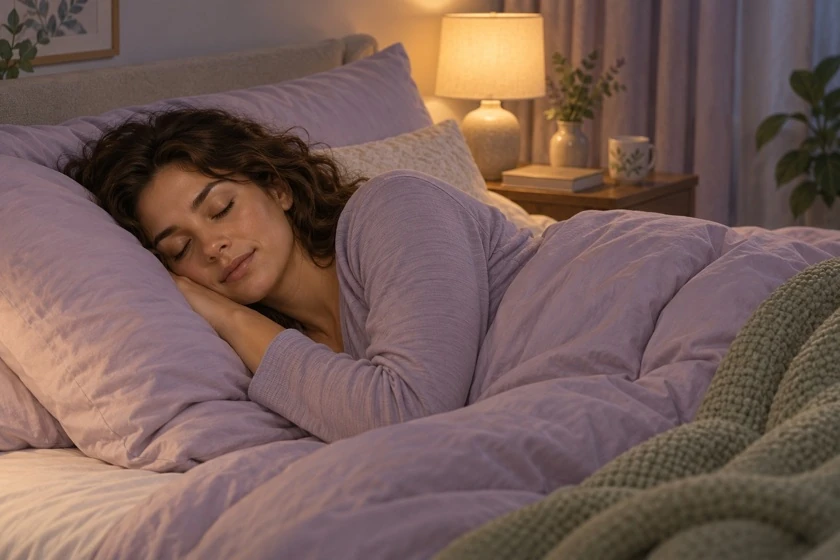
Fatigue can be a major part of endometriosis. Pain, disrupted sleep, heavy bleeding and iron deficiency, medications, stress and the burden of chronic illness may all contribute. Protect regular sleep when possible, pace demanding activities, and discuss persistent fatigue with your healthcare team so that other treatable causes are not overlooked.
4. Work, school and daily activities

Endometriosis can interfere with attendance, concentration, travel, exercise and everyday responsibilities. Plan ahead for difficult days when possible and communicate about practical accommodations if symptoms interfere with work or education. Needing adjustments because of a chronic disease is not the same as giving up normal life.
5. Exercise and physical activity

Regular movement is important for general health, strength, sleep and emotional well-being. Choose activity according to how you feel – walking, stretching, swimming, cycling or resistance exercise may be appropriate for many people. There is not yet strong evidence that a particular exercise program treats endometriosis itself, so activity should be individualized rather than prescribed as a cure.
6. Nutrition: keep expectations realistic

A balanced diet supports general health, but there is no proven 'endometriosis diet' that cures the disease. Some patients identify foods that worsen bloating or gastrointestinal symptoms and may benefit from individualized nutritional advice. Be cautious with restrictive diets, supplements and internet claims that promise to remove endometriosis.
7. Sex, intimacy and relationships

Pain during or after intercourse can affect intimacy, confidence and relationships. It should not be silently endured. Talk openly with your partner and healthcare team about what is painful and what feels safe. Treatment of the disease, pelvic-pain care and, for selected patients, psychosexual or pelvic-floor support may be useful as part of a broader plan.
8. Emotional well-being

Living with recurrent pain, delayed diagnosis, infertility concerns or repeated treatment can affect mood, anxiety, confidence and social life. Emotional support is part of endometriosis care – not an indication that the disease is 'in your head.' If the burden is becoming difficult to manage, discuss psychological support, counseling or chronic-pain support with your healthcare team.
9. Family, partners and support

Endometriosis can affect partners and families as well as the patient. With your permission, involving people close to you in discussions may help them understand the disease and how best to support you. Patient organizations and support communities can also reduce isolation, but medical decisions should still be based on reliable evidence and individualized professional care.
10. Keep a symptom record
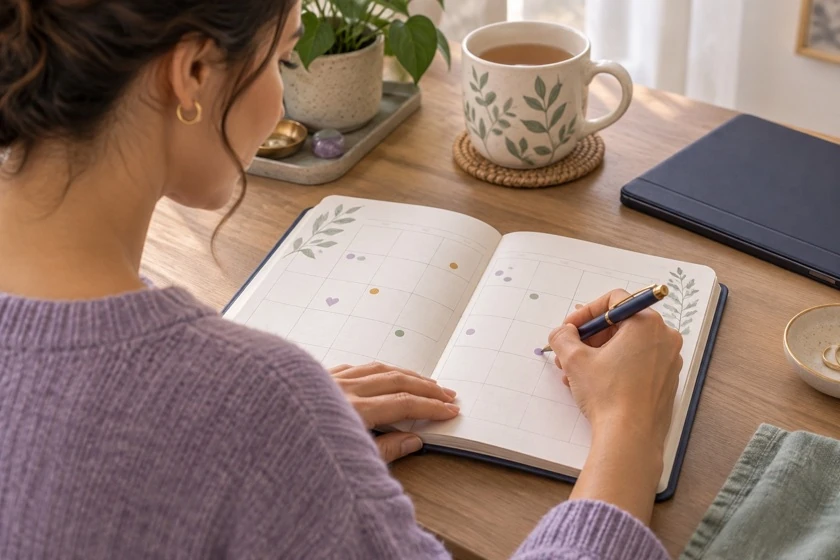
A simple diary can reveal useful patterns. Record pain, bleeding, bowel and bladder symptoms, fatigue, medications, missed work or school, and where relevant their relationship to the menstrual cycle. Bring this information to appointments. A symptom diary can help turn a complicated experience into information your clinician can use.
11. Long-term follow-up

Endometriosis is a long-term condition and needs may change over time. Follow-up should reflect symptoms, treatment, fertility plans and the type of disease. Patients with an endometrioma, deep endometriosis or persistent or recurrent symptoms may need specialist reassessment and, in selected cases, repeat imaging.
12. When symptoms change

New or changing symptoms need reassessment; do not assume every symptom is endometriosis. Review prior findings and current treatment with your clinician. Sudden severe pain, collapse, chest pain or severe breathlessness needs urgent or emergency assessment.
Evidence & references
Living With Endometriosis
Version 1.2 · September 2026
Living with a chronic condition
Effects on work, sleep, intimacy, mental health and family life are supported. Physical activity, nutrition and psychological/physical support may aid general well-being; no diet or exercise program is established as a cure.
Changed symptoms
New symptoms merit reassessment. The added urgent note distinguishes acute danger signs from routine long-term support.
Full references
- [S13] WHO. Endometriosis. Fact sheet, 15 October 2025. Freely available
- [S01] ESHRE. Endometriosis guideline. 2022. Freely available
- [S08] NHS. Laparoscopy (keyhole surgery). Reviewed 20 December 2023. Freely available
- [R41684533] Burghaus S, Schäfer SD, Bär KJ et al. Diagnosis and Therapy of Endometriosis. Guideline of the DGGG, OEGGG and SGGG (S2k-Level, AWMF Registry No. 015/045, April 2025). Geburtshilfe Frauenheilkd. 2026;86(2):133-188. doi:10.1055/a-2760-4867. PMID 41684533. Freely available
No listed institution endorses GEM.
Medical information
Do not delay care; seek emergency help for a suspected emergency.
This material is for educational purposes only and does not constitute medical advice or create a clinician-patient relationship with GEM.
© 2026 Global Endometriosis Movement. All rights reserved.