

When Period Pain Is Not Normal
A Teen Guide to Endometriosis
For teenagers, families, school nurses and anyone helping a young person with severe menstrual or pelvic symptoms.
1. What is endometriosis?
Endometriosis is a chronic condition in which tissue similar to the lining of the uterus is found outside the uterus. It can cause inflammation, pain and scar tissue. Symptoms can begin in the teenage years, sometimes soon after periods start. Endometriosis is not an infection, not something you caused, and not cancer.
2. How do I know when period pain is too much?
Some cramping can occur with periods. Seek assessment when pain repeatedly interrupts normal life, including:
- missing school, sports or social activities;
- waking from sleep or needing frequent pain medicine;
- persistent pain despite suitable treatment, including nonsteroidal anti-inflammatory drugs (NSAIDs);
- pelvic pain between periods, painful bowel movements or urinary symptoms;
- heavy bleeding or symptoms that persist despite treatment.
Sudden severe pain, fainting or heavy bleeding with collapse needs emergency assessment.
3. Why can endometriosis be missed in teenagers?
Teenagers may be told that severe period pain is simply part of growing up. Symptoms can also resemble bowel, bladder or other conditions. There is no single blood test that reliably rules endometriosis in or out. A normal examination or scan does not necessarily mean that nothing is wrong.
4. What should I tell the clinician?
Do not say only, “My periods hurt.” Explain what the pain stops you from doing. Tell them how many school days you miss, whether pain wakes you, whether bowel or bladder symptoms follow your cycle, what medicines you have tried, and whether those medicines worked or caused side effects. A symptom diary can make this much easier.
A simple sentence you can use
“My period pain is interfering with my normal life. I am missing because of it, and the treatments I have tried are not controlling it. Could endometriosis be causing my symptoms?”
Early Recognition, Follow-Up & the Right Time for Surgery
For teenagers, the key clinical question is not simply “medicine or surgery?” It is how to recognize important disease early, monitor it intelligently, and choose the right time and expertise for intervention.
5. Early diagnosis matters
Endometriosis can begin in adolescence. Earlier assessment can reduce delays and support symptom relief. It does not mean that progression is inevitable or that early surgery is needed for every teenager. Evidence does not establish that operating early prevents progression in all patients.
GEM position: Time should be treated as an important clinical variable. Persistent or changing symptoms in a teenager deserve active reassessment rather than years of automatic prescription renewal without evaluation.
6. Symptom control does not prove the disease is gone
NSAIDs and hormonal therapy can provide excellent symptom relief and hormonal suppression can reduce disease activity. But feeling better does not prove that endometriotic lesions have disappeared or that the anatomical extent of disease is known. Significant disease can sometimes exist despite relatively modest symptoms.
Even when symptoms are adequately controlled, a teenager should have an individualized follow-up plan. Follow-up should reconsider symptoms, medication tolerance, adherence, fertility concerns and whether examination or imaging is warranted. Medication should not become a substitute for clinical surveillance.
7. How GEM describes progression
Endometriosis has a variable course. Lesions may remain stable, shrink or progress; pain alone does not reliably show anatomical change. Follow-up should be individualized. Progression estimates from adult deep-disease studies must not be presented as a teenager's predicted risk.
8. When should the plan move toward surgical evaluation?
Referral to a specialized endometriosis center becomes particularly important when pain remains significant despite adequate NSAID and/or hormonal treatment; medication is not tolerated; symptoms recur; imaging suggests an endometrioma or deep disease; bowel, bladder or ureter involvement is suspected; fertility or ovarian reserve is a concern; or the diagnosis remains uncertain and symptoms continue to impair normal life.
Age alone should not prevent clinically indicated laparoscopy.
9. Ovarian disease requires particular care
When an ovary is involved, especially with an endometrioma, the choice of surgeon and technique becomes especially important because both the disease and ovarian surgery can affect healthy ovarian tissue and ovarian reserve. GEM advocates referral to a surgeon with specific endometriosis expertise, with an explicit plan to resect disease while minimizing unnecessary injury to normal ovarian tissue.
10. GEM's surgical principle
GEM position: if surgery is justified after specialist assessment and shared decisions, plan for safe treatment as well as diagnosis. Map accessible surfaces, document findings and obtain pathology when appropriate. Treat visible disease within consent and safety limits; a staged procedure may be needed. Surgery is not required for every teenager.
After surgery, when pregnancy is not an immediate goal and there is no contraindication, individualized hormonal suppression – often a combined oral contraceptive or progestin – may be used as part of a long-term strategy. Surgery does not eliminate the need for follow-up.
Evidence distinction: GEM uses the statement above to describe the biologically active and potentially progressive nature of endometriosis while recognizing that the individual rate and pattern of progression cannot currently be predicted reliably. The timing of surgery therefore remains an individualized clinical decision, not an automatic consequence of diagnosis.
Treatment, School, Fertility & Your Future
11. Common medical treatments
Pain medicines: NSAIDs may reduce menstrual and endometriosis-associated pain when medically appropriate.
Hormonal treatment: combined hormonal contraceptives or progestin-based treatment are commonly used first-line options for adolescents with suspected or confirmed endometriosis. Some stronger hormonal medicines require specialist supervision because of side effects and possible effects on bone health.
What medical treatment can and cannot do: these medicines are mainly used to control symptoms and suppress hormonal stimulation of endometriosis. They do not surgically remove established endometriotic lesions. Symptoms can recur after medication is stopped, and disease activity may persist or recur. For that reason, a teenager who stops treatment because of side effects, preference, or another reason should not simply be lost to follow-up.
When severe symptoms continue despite adequate medical treatment
If symptoms remain severe despite suitable treatment, or medicines cannot be tolerated, GEM supports referral to an adolescent endometriosis expert. If surgery is chosen, plan assessment and treatment within consent and safety limits. Inspect accessible pelvic and abdominal surfaces, document findings and obtain pathology when appropriate. Unexpected disease may require a staged procedure.
After surgery, if pregnancy is not an immediate goal and there is no contraindication, individualized hormonal suppression – often with a combined oral contraceptive or progestin – may be considered to reduce recurrent symptoms and the risk of disease recurrence. Surgery is not a guaranteed cure, and long-term comfort cannot be promised; ongoing follow-up remains important.
This is GEM's quality-of-care position. Current major guidelines also support considering laparoscopy in adolescents with persistent suspected endometriosis after appropriate medical treatment, while emphasizing individualized decision-making.
12. School is part of your health
Endometriosis can affect attendance, concentration, exams, sports and social life. Keep a record of missed school days and visits to the nurse. Ask a parent, guardian, clinician or school health professional about reasonable support such as bathroom access, permission to carry prescribed medication, rest breaks, a heating pad when allowed, or flexibility during severe symptom days. Available accommodations depend on the school and local rules.
13. What about future fertility?
Most teenagers with endometriosis should not assume they will be infertile. But ovarian endometriosis and ovarian surgery can sometimes affect ovarian reserve. If ovarian disease is present or surgery is being considered, ask how the plan protects healthy ovarian tissue and future fertility. Fertility preservation exists, but its role in adolescents with endometriosis is not established for everyone and should be discussed individually.
14. Your privacy, consent and voice matter
You should be told what an examination, scan, medicine or operation is for and what alternatives exist. Ask who will be in the room and whether a support person can be present. Consent and confidentiality rules for minors vary by age and location, but the teenager's understanding, comfort and participation in decisions should be respected.
15. Five questions to take to your appointment
- Could endometriosis explain my symptoms?
- What can the scan show, and what can it miss?
- What treatment do you recommend first, and what side effects should I know about?
- When should I see an adolescent gynecologist or endometriosis specialist?
- What is our follow-up plan if I am not improving?
What Endometriosis Can Look Like
These photographs illustrate possible surgical appearances. They are not presented as images of teenage patients. Imaging can miss some lesions; color or appearance alone cannot establish a diagnosis, disease age or activity.
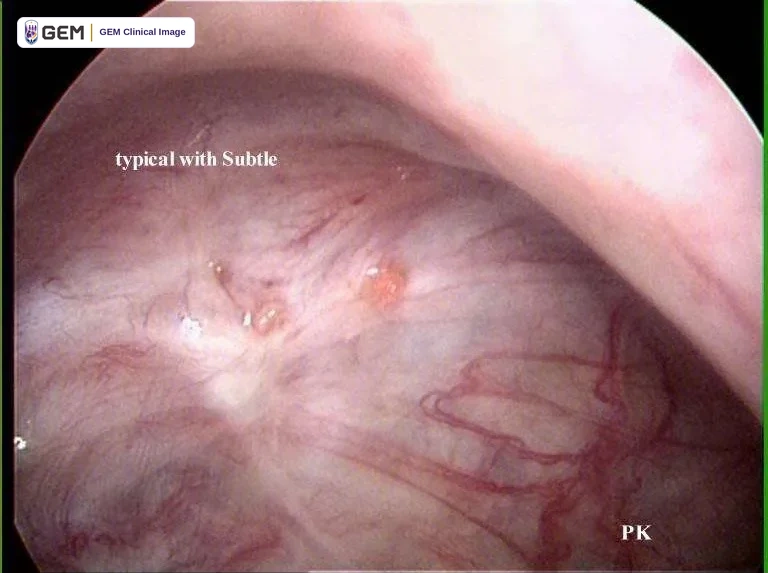
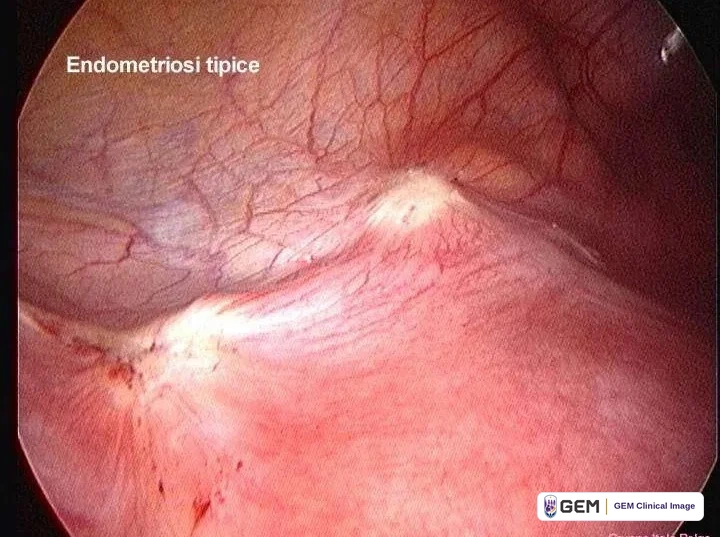
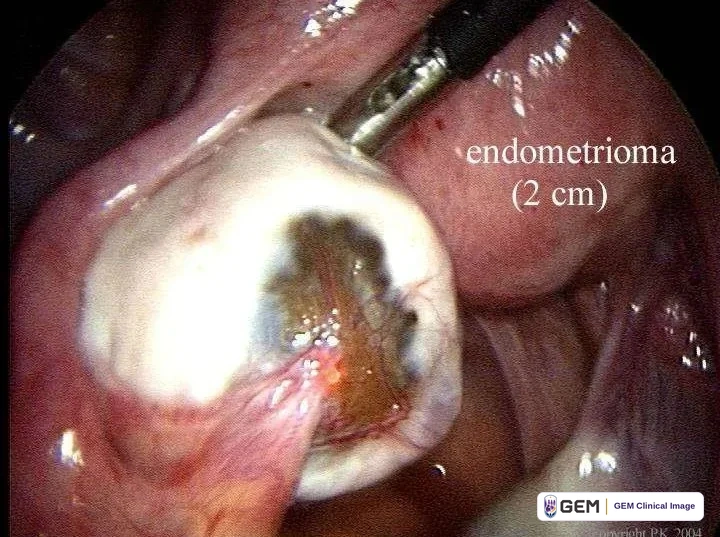
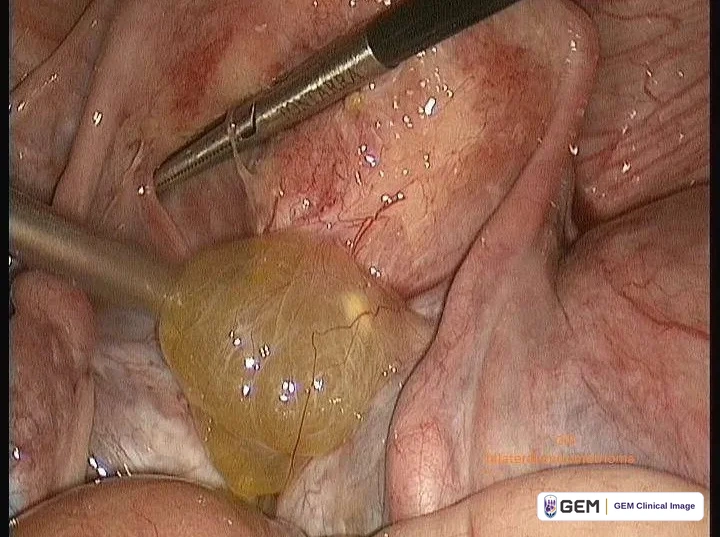
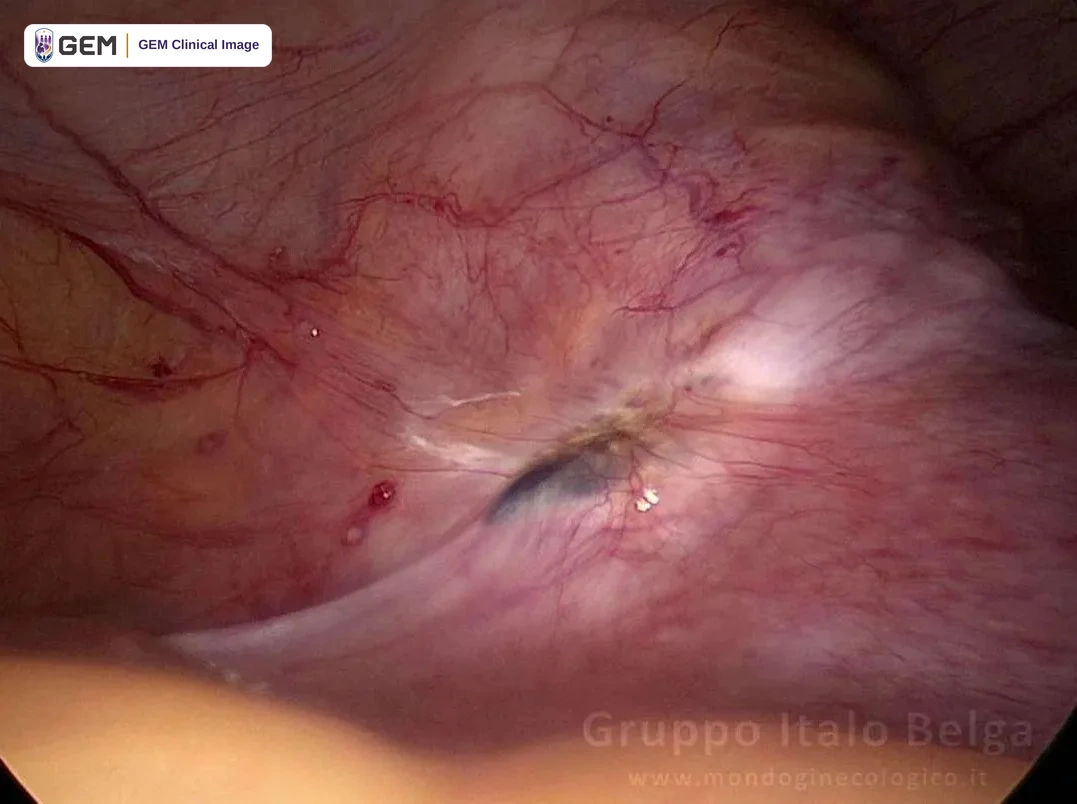
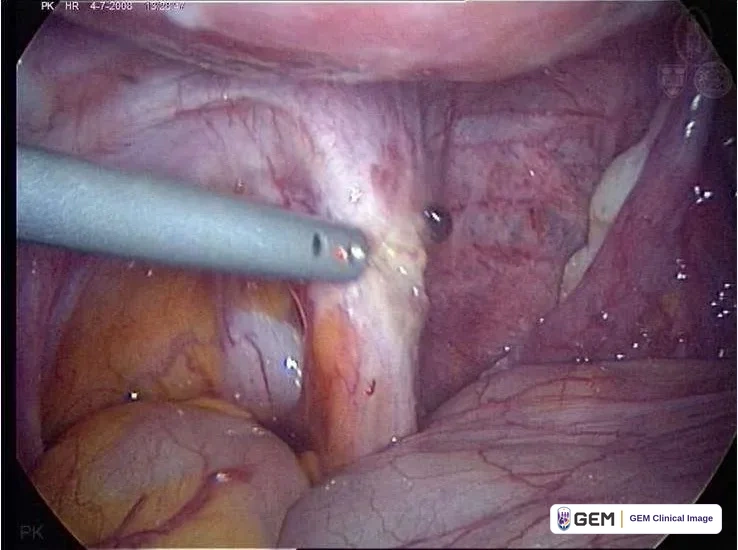
Endometriosis in Teenagers Can Be Extensive
Teenagers often have superficial peritoneal disease, but advanced Stage III-IV disease, ovarian endometriomas, deep disease and even disease outside the pelvis have also been documented in adolescents and young women. These operative photographs show the wide spectrum a surgeon may encounter.
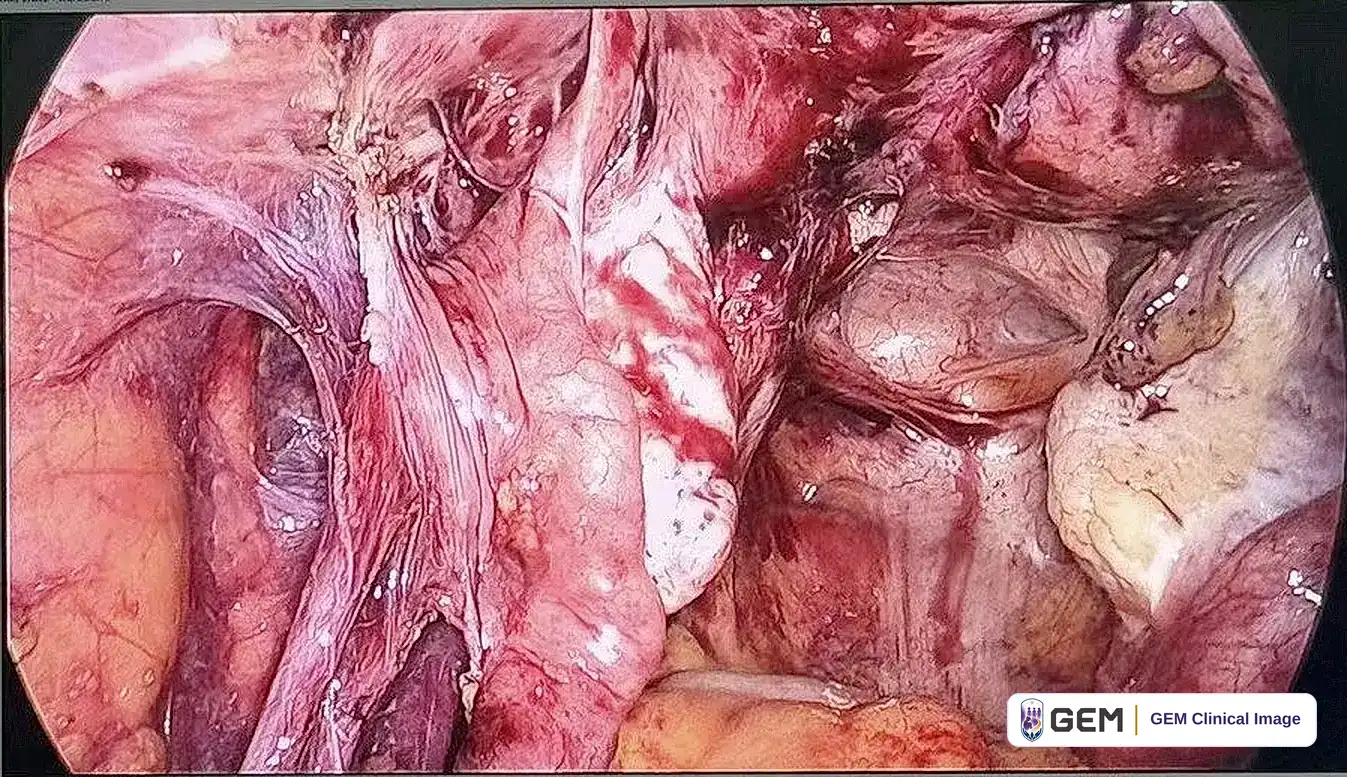
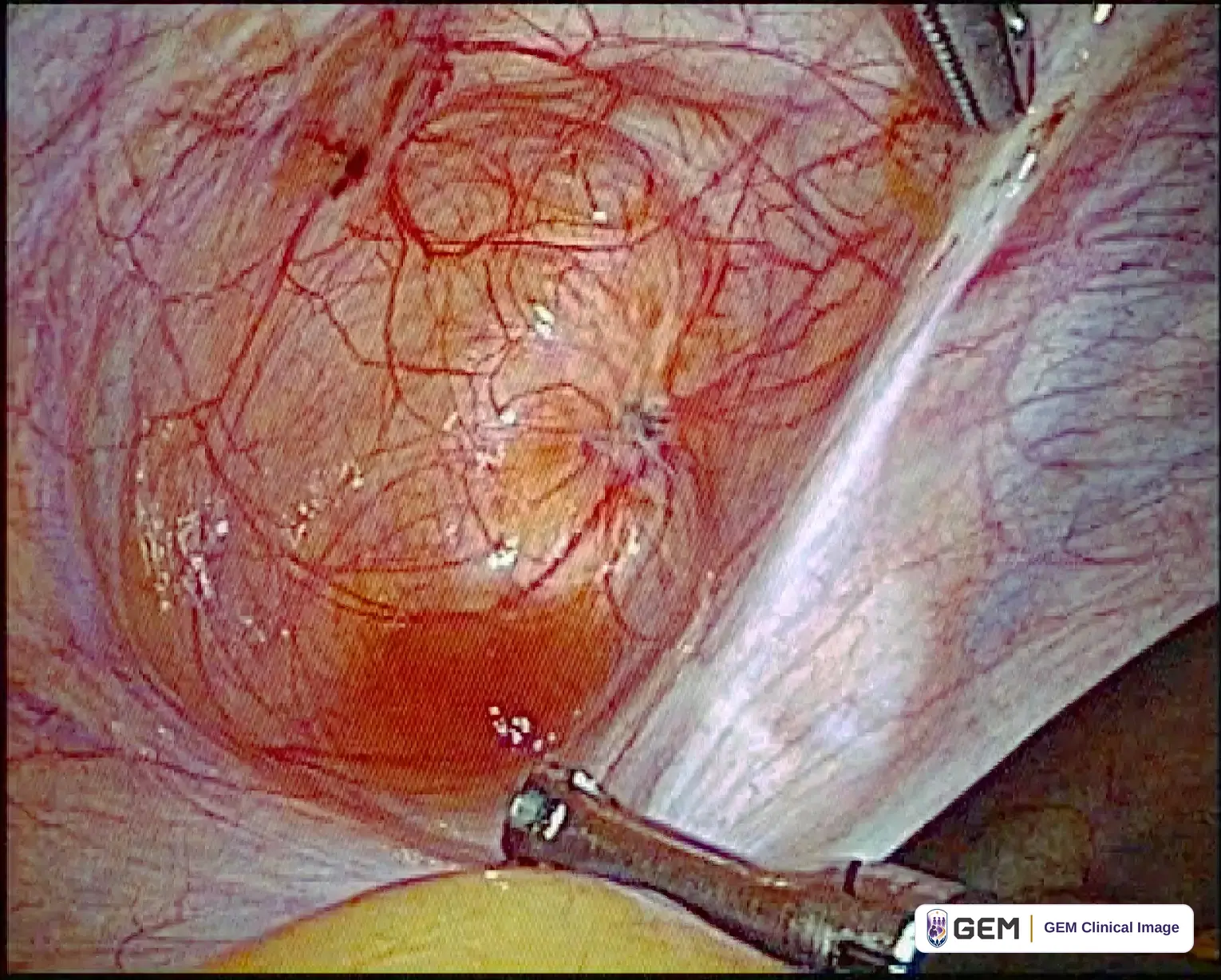
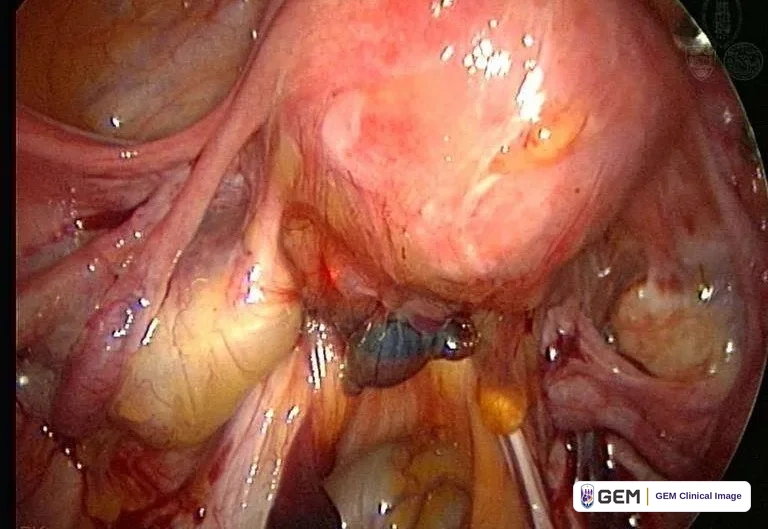
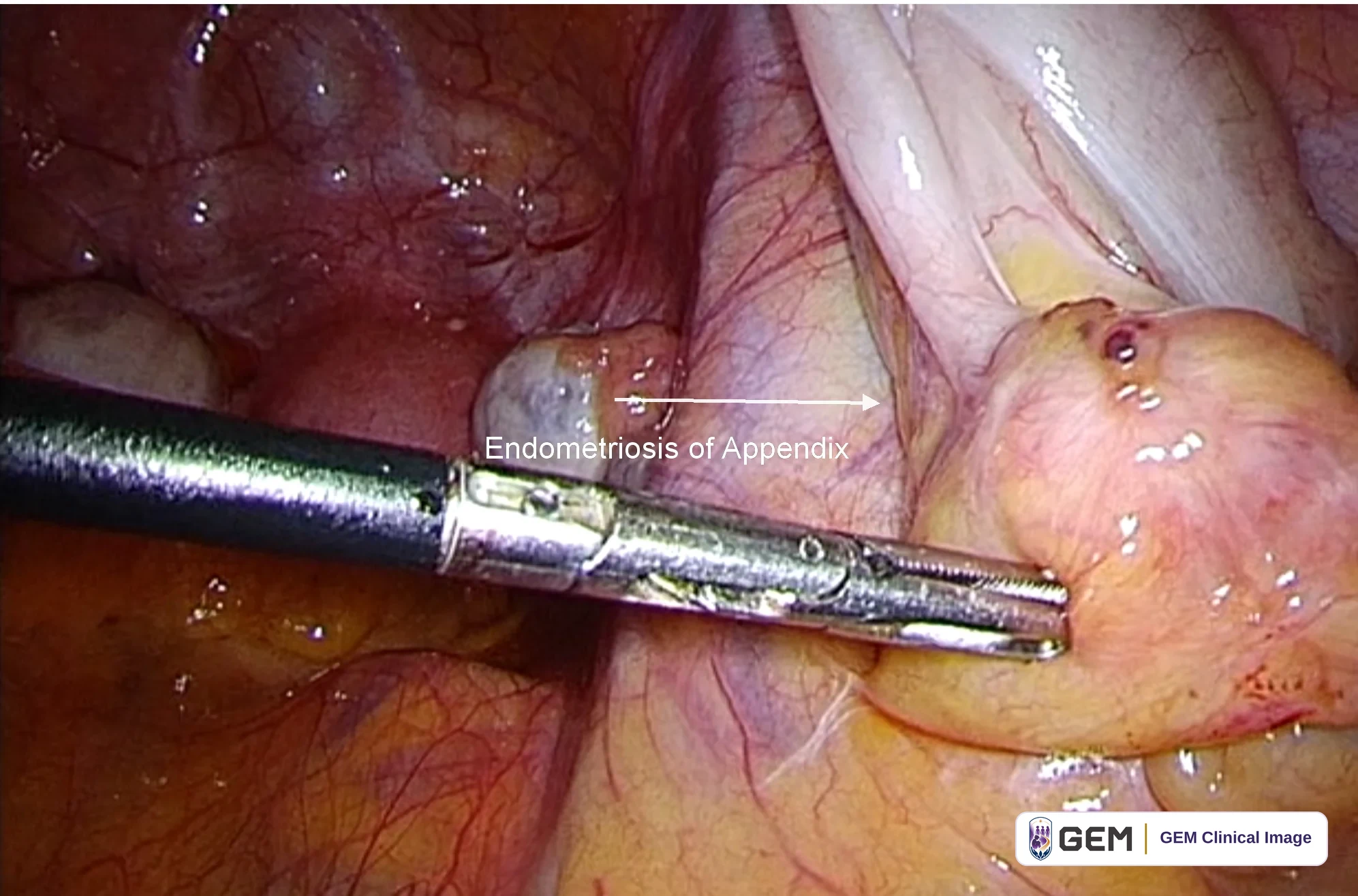
Clinical context: a referral-center study found stage III-IV disease in 20 of 86 surgically treated patients aged 22 or younger (23%). This selected adolescent/young-adult group does not estimate the risk in all teenagers. These photographs are illustrative and are not represented as images of teenage patients.
Evidence & references
Teen Guide: When Period Pain Is Not Normal
Version 1.1 · Reviewed 13 September 2026
Adolescent assessment and treatment
Severe or persistent symptoms warrant evaluation. Medical treatment is often an initial option; specialist surgery can be considered when appropriate after discussion. Evidence does not establish that every teenager progresses or benefits from early surgery.
Selected surgical studies
Smorgick: 20/86 patients aged 22 or younger had stage III-IV disease at a referral center (23%); this is not population prevalence. Evans: 284 surgically treated adolescents/young adults; 86.27% had no recorded 30-day complication and one had venous thromboembolism. These retrospective findings do not guarantee individual safety or long-term fertility.
Clinical photographs
The photos are not represented as images of teenagers.
Full references
- [S01] ESHRE. Endometriosis guideline. 2022. Freely available
- [R25256880] Smorgick N, As-Sanie S, Marsh CA et al. Advanced stage endometriosis in adolescents and young women. J Pediatr Adolesc Gynecol. 2014;27(6):320-323. doi:10.1016/j.jpag.2013.12.010. PMID 25256880. Freely available
- [R40780602] Evans JR, Bergus K, Asti L et al. Intraoperative Care and Complications of Symptomatic Adolescent and Young Adult Patients Undergoing Laparoscopy to Diagnose and/or to Treat Endometrioses: A Multi-Institutional Review. J Pediatr Adolesc Gynecol. 2026;39(1):94-100. doi:10.1016/j.jpag.2025.07.010. PMID 40780602. Freely available
- [R41610736] Smith AK, Bhullar S, Vash-Margita A. Endometriosis in adolescents: A state-of-the-art review. Best Pract Res Clin Obstet Gynaecol. 2026;105:102706. doi:10.1016/j.bpobgyn.2026.102706. PMID 41610736. Freely available
- [R38867640] Bandini V, Giola F, Ambruoso D et al. The natural evolution of untreated deep endometriosis and the effect of hormonal suppression: A systematic literature review and meta-analysis. Acta Obstet Gynecol Scand. 2024;103(9):1722-1735. doi:10.1111/aogs.14887. PMID 38867640. Freely available
- [S08] NHS. Laparoscopy (keyhole surgery). Reviewed 20 December 2023. Freely available
No listed institution endorses GEM.
Medical information
Do not delay care; seek emergency help for a suspected emergency.
This material is for educational purposes only and does not constitute medical advice or create a clinician-patient relationship with GEM.
© 2026 Global Endometriosis Movement. All rights reserved.